
Traction Control Light: What It Means, Why It Turns On, and How to Fix It

Traction Control Light: What It Means, Why It Turns On, and How to Fix It
Have you ever been driving down the road when a small warning symbol suddenly lights up on your dashboard? If that symbol is the traction control light, you might wonder whether it’s a serious problem or just a temporary warning. Many drivers feel concerned when dashboard indicators appear, especially when they are unfamiliar with their purpose.
These versions sound more natural, engaging, and SEO-friendly while keeping the original meaning. Think of it as a helpful co-pilot that keeps your vehicle stable when road conditions become slippery or challenging. Understanding why the traction control light comes on can help you make informed decisions and avoid unnecessary stress.
Table of Contents
| Sr# | Headings |
|---|---|
| 1 | What Is the Traction Control System? |
| 2 | Understanding the Traction Control Light |
| 3 | Why Modern Vehicles Use Traction Control |
| 4 | Common Reasons the Light Turns On |
| 5 | Driving Conditions That Trigger the Light |
| 6 | Sensor Problems and Electronic Faults |
| 7 | Relationship Between ABS and Traction Control |
| 8 | Can You Drive With the Light On? |
| 9 | How to Diagnose the Problem |
| 10 | Steps to Fix a Traction Control Warning |
| 11 | Preventive Maintenance Tips |
| 12 | When to Visit a Mechanic |
| 13 | Final Thoughts |
| 14 | FAQs |
What Is the Traction Control System?
The traction control system is a vehicle safety feature that helps prevent wheel slip during acceleration. It works by monitoring the speed of each wheel and reducing power or applying brakes when it detects a loss of traction.
Imagine trying to walk on ice while wearing smooth shoes. Your feet might slide unexpectedly. In the same way, vehicle tires can lose grip on wet, snowy, icy, or uneven surfaces. The traction control system helps the tires maintain contact with the road, improving stability and control.
This technology is now standard in most modern vehicles because it significantly enhances driving safety.
Understanding the Traction Control Light
The traction control light is a dashboard indicator that alerts you about the status of the traction control system.
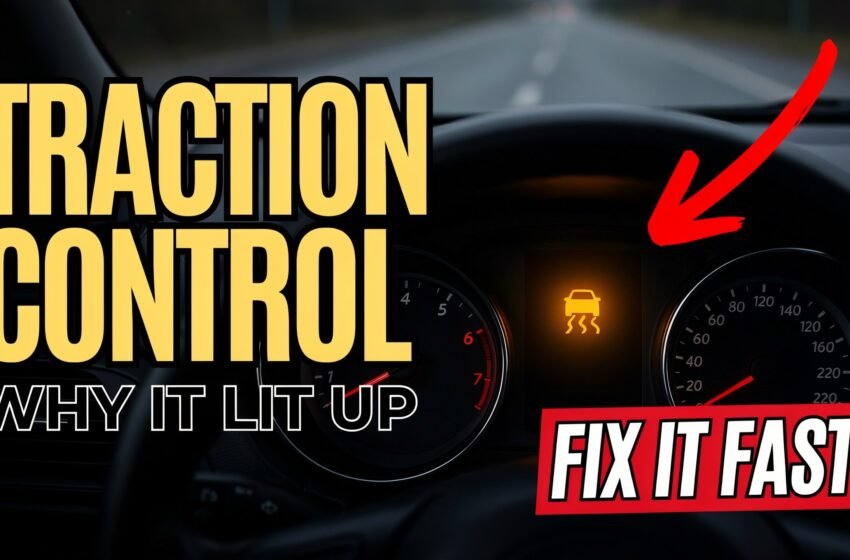
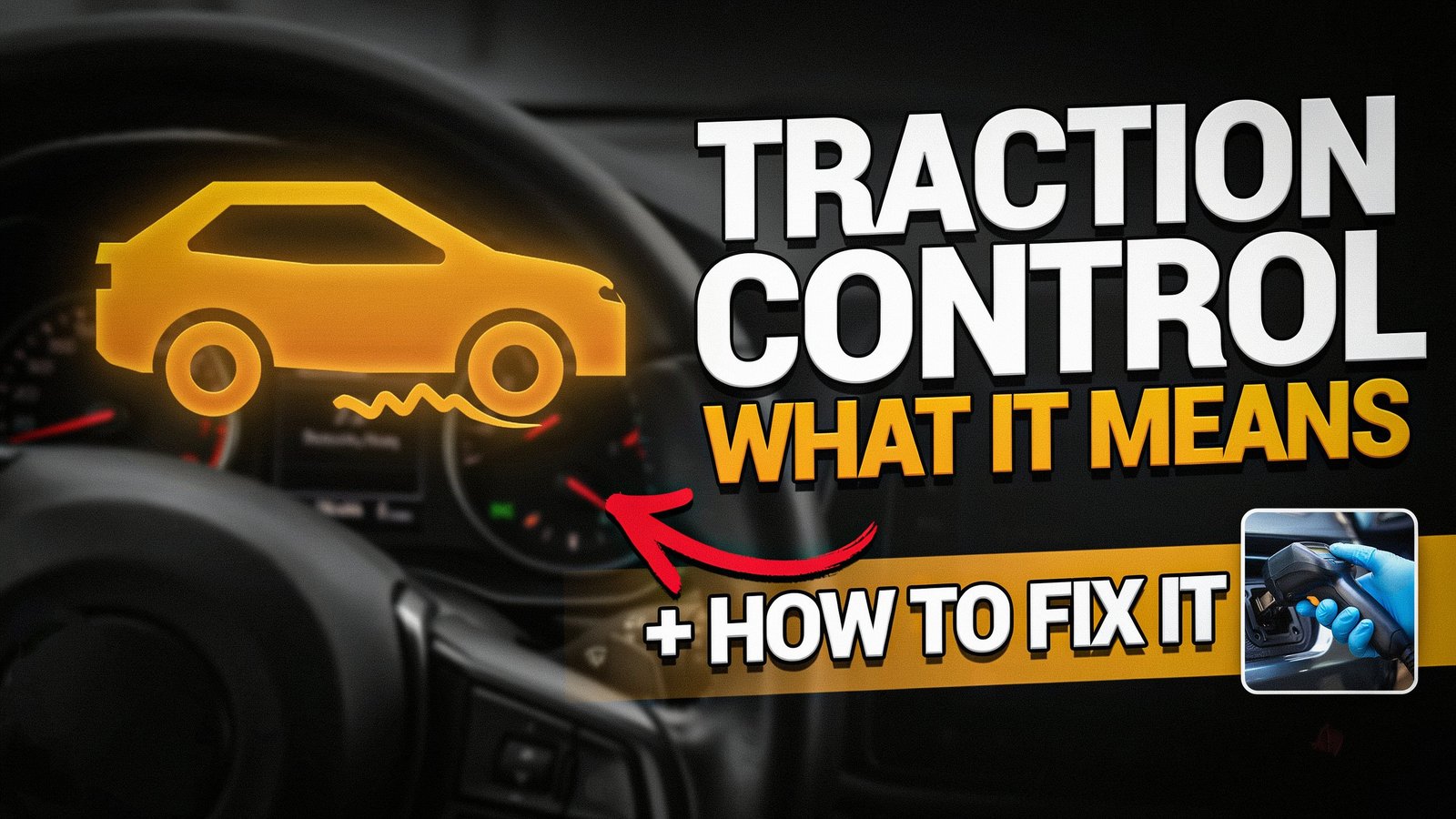
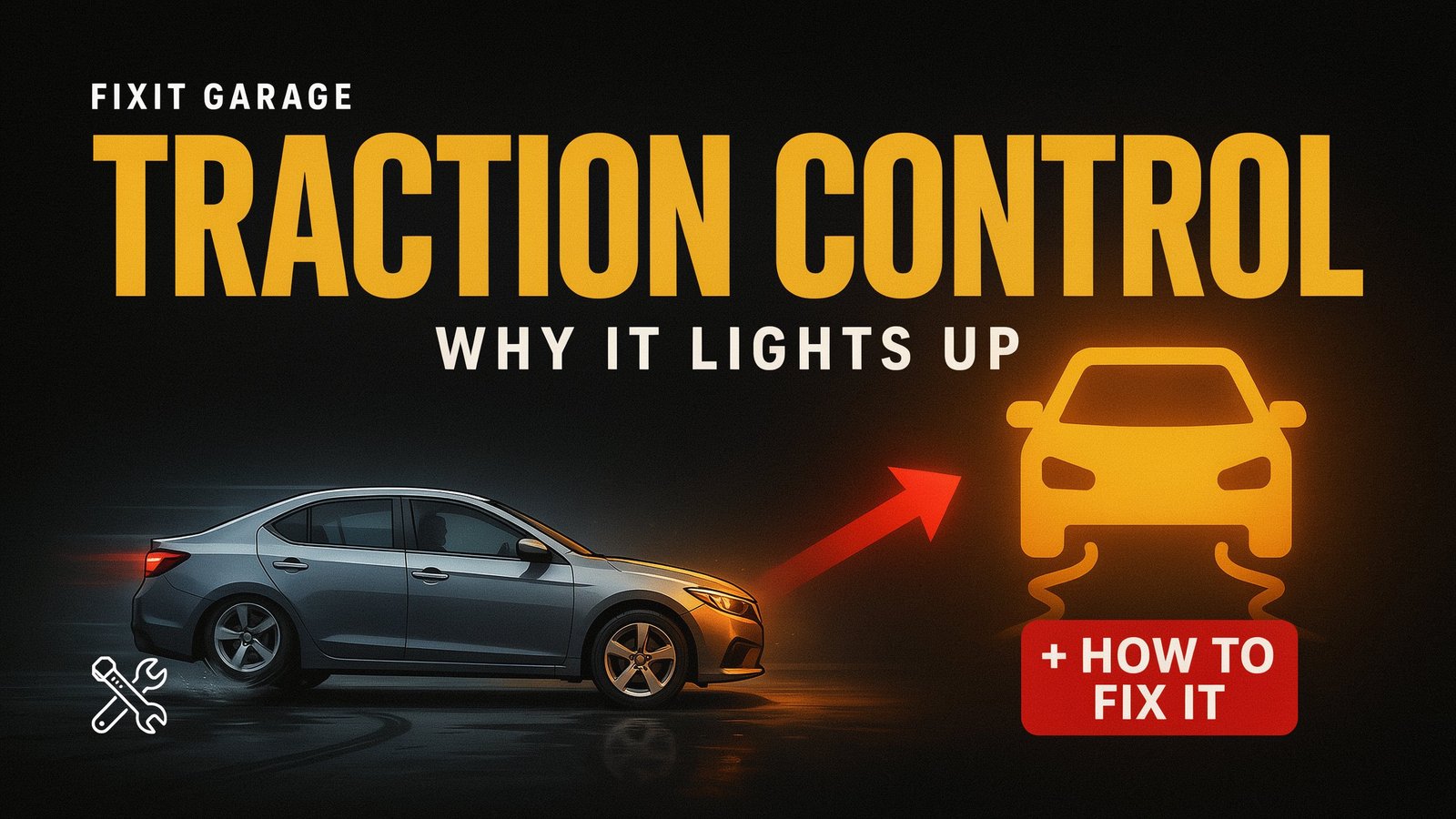
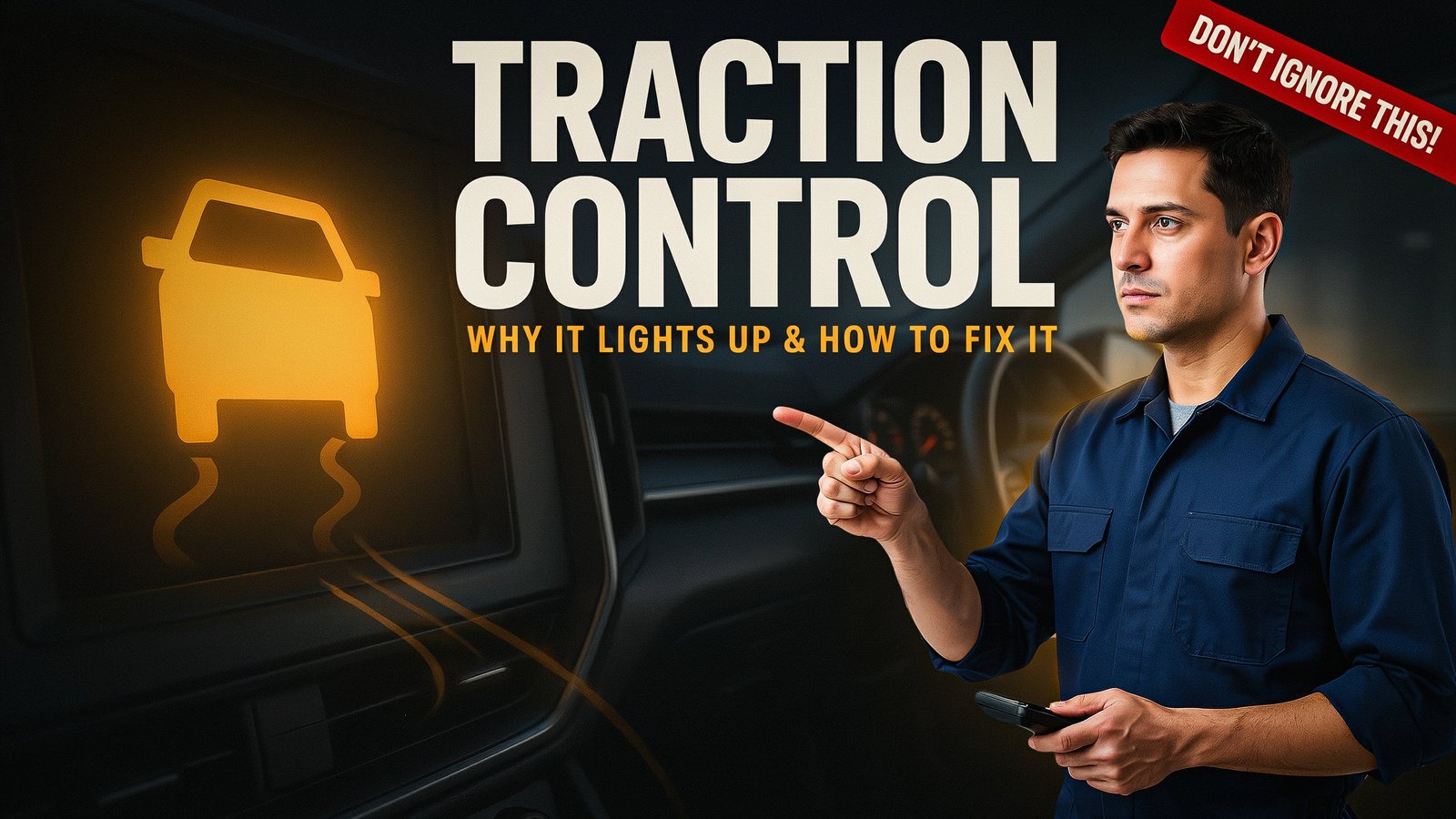
The symbol often looks like a car with squiggly lines behind it, representing tire slippage. Depending on the situation, the light may behave differently:
Flashing Light
A flashing light usually means the system is actively working. For example, if you’re driving on a slippery road, the system may engage temporarily to prevent wheel spin.
Solid Light
A solid traction control light often indicates a malfunction or that the system has been manually disabled.
Understanding the difference between a flashing and steady light is essential for proper diagnosis.
Why Modern Vehicles Use Traction Control
Vehicle manufacturers prioritize safety, and traction control plays a major role in accident prevention.
Improved Stability
The system helps keep the vehicle stable during acceleration on slippery surfaces.
Enhanced Cornering
It can reduce the risk of losing control while turning on wet or uneven roads.
Better Driver Confidence
Drivers feel more secure knowing that an advanced system is helping maintain grip and stability.
Because of these advantages, traction control has become a key component of modern automotive safety systems.
Common Reasons the Light Turns On
Several factors can cause the traction control warning to appear.
Slippery Road Conditions
Rain, snow, mud, gravel, or ice can cause temporary wheel slip. In these situations, the light may flash briefly as the system works.
Faulty Wheel Speed Sensors
These sensors measure wheel rotation and provide data to the vehicle’s computer. A damaged or dirty sensor can trigger a warning light.
ABS System Issues
Because traction control relies on the Anti-lock Braking System (ABS), a problem in one system can affect the other.
Electrical Problems
Damaged wiring, loose connections, or blown fuses can interfere with system communication.
Manual Deactivation
Certain vehicle models allow drivers to temporarily switch off traction control for greater control in specialized driving conditions.. If this occurs, the warning light may remain illuminated until the system is reactivated.
Driving Conditions That Trigger the Light
Not every traction control light indicates a problem.
Rainy Weather
Wet roads reduce tire grip, causing the system to intervene occasionally.
Snow and Ice
Cold-weather driving conditions can trigger traction control as the system helps tires maintain stability and road contact on slippery surfaces.Modern vehicles rely heavily on sensors and computer systems.
Loose Gravel
Small stones can reduce tire grip, especially during acceleration.
Steep Hills
Vehicles climbing slippery inclines may experience wheel spin, prompting system intervention.
When the light flashes briefly during these conditions, it often indicates normal operation rather than a fault.
Sensor Problems and Electronic Faults
Advanced sensors and onboard computers play a vital role in helping modern vehicles operate safely, efficiently, and reliably.
Wheel Speed Sensors
These sensors are among the most common causes of traction control warnings. Dirt, corrosion, or physical damage can affect their performance.
Steering Angle Sensor
This component helps determine the vehicle’s direction. Incorrect readings can confuse the traction control system.
Yaw Rate Sensor
The yaw sensor measures vehicle rotation and stability. If it malfunctions, the system may generate warning messages.
Control Module Failure
Although less common, issues with the electronic control module can also illuminate the traction control light.
Accurate diagnosis often requires specialized scanning equipment.
Relationship Between ABS and Traction Control
The traction control system and ABS are closely connected.
Shared Components
Both systems use wheel speed sensors and electronic control modules.
Safety Integration
ABS prevents wheel lockup during braking, while traction control prevents wheel spin during acceleration.
Simultaneous Warnings
It’s common for both the ABS light and traction control light to appear together if a shared component fails.
Because of this relationship, solving one issue may resolve both warning lights.
Can You Drive With the Light On?
One of the most common inquiries from motorists is whether driving with the traction control light illuminated is safe.
If the Light Is Flashing
A flashing light generally means the system is functioning correctly. You can usually continue driving while exercising caution.
If the Light Is Constant
A solid warning light suggests the system may be disabled or malfunctioning. While the vehicle may still be drivable, safety features could be limited.
Consider Road Conditions
Driving without traction control is more risky during rain, snow, or icy weather because the vehicle may be more prone to wheel slip.
Whenever possible, investigate the cause promptly rather than ignoring the warning.
How to Diagnose the Problem
Determining the root of the problem can streamline the repair process and help minimize expenses.Resolving the problem successfully depends on accurately determining its root cause.
Check Dashboard Messages
Some vehicles display additional information alongside the warning light.
Inspect the Tires
Uneven tire wear, low pressure, or mismatched tires can affect traction control performance.
Look for ABS Warnings
If both lights are illuminated, the issue may involve shared components.
Use a Diagnostic Scanner
An OBD-II scanner can read fault codes stored by the vehicle’s computer, helping pinpoint the problem.
Consult the Owner’s Manual
Vehicle-specific guidance can help explain warning indicators and troubleshooting steps.
Steps to Fix a Traction Control Warning
The appropriate solution depends on the underlying cause.
Restart the Vehicle
Occasionally, a temporary electronic glitch may clear after restarting the engine.
Check Tire Pressure
Improper tire pressure can interfere with sensor readings and vehicle stability.
Clean Wheel Speed Sensors
Removing dirt and debris may restore proper sensor function.
Repair Wiring Issues
Damaged electrical connections should be repaired promptly.
Replace Faulty Components
Defective sensors, modules, or switches may require replacement.
Professional diagnosis is often recommended for persistent warnings.
Preventive Maintenance Tips
Prevention is often easier and less expensive than repairs.
Maintain Proper Tire Pressure
Regular pressure checks improve traction and system accuracy.
Rotate Tires Regularly
Even tire wear helps maintain consistent performance.
Inspect Brake Components
Healthy brake systems support proper traction control operation.
Keep Sensors Clean
Periodic inspections can prevent dirt buildup from affecting sensor readings.
Address Warning Lights Early
Ignoring dashboard warnings can allow small problems to become larger and more expensive.
Consistent maintenance helps ensure reliable vehicle performance and safety.
When to Visit a Mechanic
Some situations require professional assistance.
Persistent Warning Light
If the light remains on after basic troubleshooting, a deeper inspection is necessary.
Multiple Warning Indicators
The appearance of ABS, stability control, or brake warnings alongside the traction control light may indicate a more significant issue.
Reduced Vehicle Stability
If the vehicle feels unstable, pulls unexpectedly, or experiences unusual wheel spin, immediate attention is recommended.
Repeated System FailuresABS prevents wheel lockup during braking, while traction control prevents wheel spin during acceleration.
Recurring warnings often point to underlying electrical or sensor-related problems that require expert diagnosis.
A qualified technician can use advanced diagnostic tools to identify and repair the issue efficiently.
Final Thoughts
The traction control light is more than just another dashboard symbol—it is an important communication tool that helps keep you informed about your vehicle’s safety systems. In many cases, a flashing light simply means the system is doing its job by maintaining traction on slippery roads. However, a continuously illuminated warning may indicate a sensor issue, ABS-related problem, or electrical fault that requires attention.
By understanding how the system works, recognizing common causes, and following proper maintenance practices, you can keep your vehicle operating safely and efficiently. When in doubt, timely diagnosis and professional inspection can prevent small issues from turning into costly repairs.
FAQs
1. Why does my traction control light come on and then go off?
A temporary flashing light often indicates that the system is actively preventing wheel slip. Once traction is restored, the light usually turns off.
2. Can low tire pressure cause the traction control light to turn on?
Yes. Low tire pressure can affect wheel speed readings and vehicle stability, potentially triggering the warning light.
3. Is it safe to drive with the traction control light on?
In many cases, yes, but the vehicle may have reduced safety assistance. Extra caution is recommended, especially in poor weather conditions.
4. Will a bad wheel speed sensor trigger the traction control light?
Yes. Faulty wheel speed sensors are among the most common reasons for traction control warnings.
5. How much does it cost to fix a traction control system problem?
Costs vary depending on the issue. Minor sensor cleaning may be inexpensive, while replacing sensors, wiring, or control modules can be significantly more costly.
